
Evidence before assumption
Find the source, place and archive.
A practical guide to Hertfordshire family-history sources, built around parish coverage, changing boundaries and the catalogues that lead to original evidence.
Start with geography
A parish is a research key, not just a place label.
Historic church jurisdictions, hundreds and modern local authorities do not line up neatly. The directory keeps historic context separate from present-day custody.
Parish coverage you can audit
Each parish page separates baptisms, marriages and burials. It reports the date span and indexed-entry count visible in the cited Findmypast collection list, identifies the collection-level HALS statement, and shows when a catalogue reference is still not confirmed.
A start year is not presented as proof of continuous survival. Missing volumes, damaged material, indexing omissions and changes of jurisdiction can all matter. That warning appears beside the data rather than being hidden in a general disclaimer.
Start with a familiar town name, open the parish directory, or use the historic hundreds guide when a place appears in older administrative sources.
Compare evidence layers
One event can appear in several sources.
A baptism is not a birth certificate; a burial is not a civil death entry; an index is not the full source.
- Parish registers
Baptism, marriage and burial registers created by Church of England parishes.
Read guide → - Bishops’ transcripts
Contemporary or later parish-register copies sent to the diocesan authorities; survival and agreement vary.
Read guide → - Civil registration
Official birth, marriage and death registration in England and Wales from July 1837.
Read guide → - 1841 census
The first modern decennial census commonly used for named household research.
Read guide → - 1851 census
A decennial census with household, birthplace and relationship evidence interpreted in its historical context.
Read guide → - 1861 census
A household census that can connect residents, occupations and places between parish events.
Read guide →
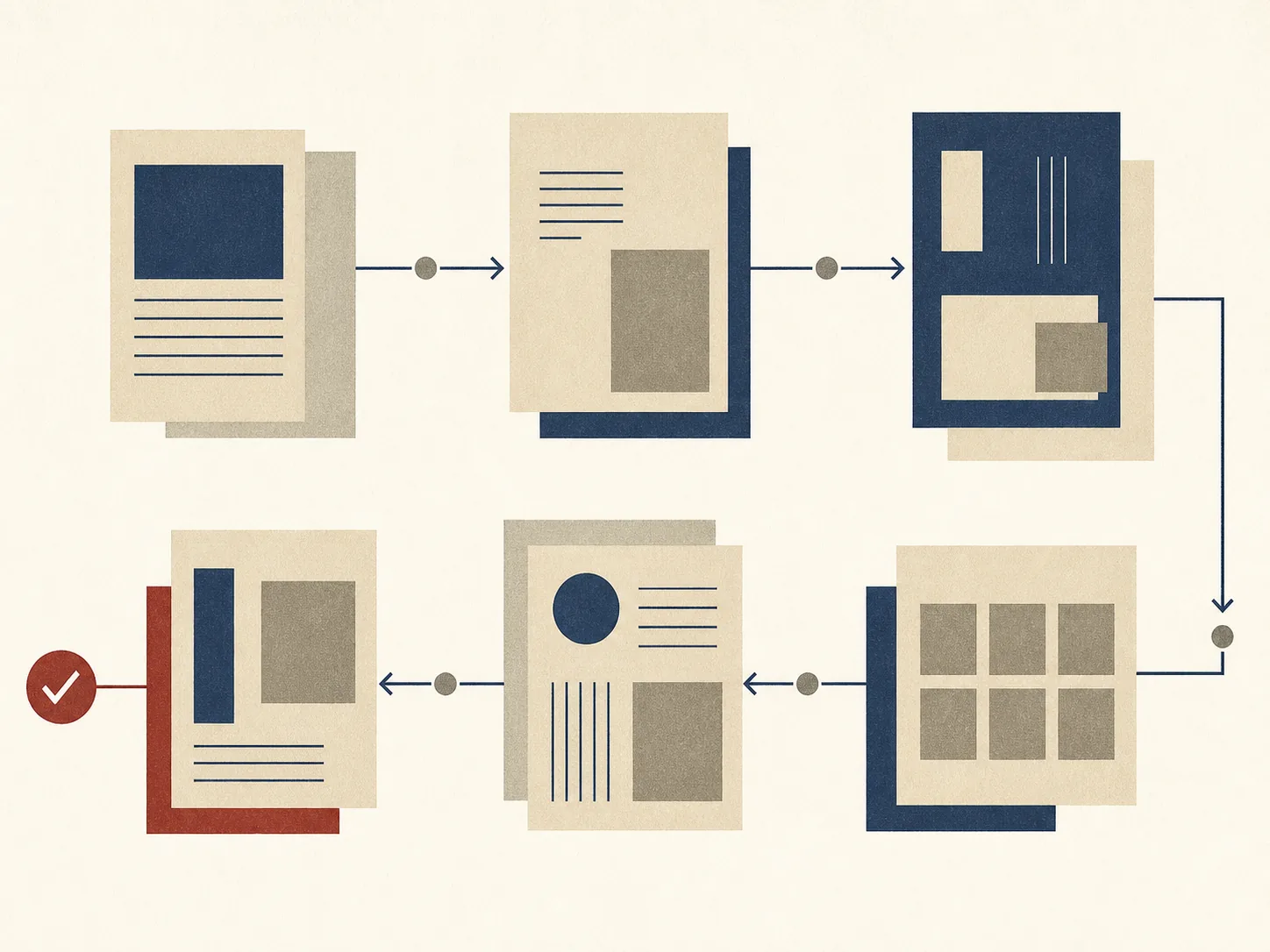
Work methodically
Turn a clue into a documented search.
Good research records both positive and negative findings. Begin with what the source actually says, note its repository and reference, and only then decide whether it supports an identity or relationship. When evidence conflicts, keep the disagreement visible until another independent source helps resolve it.
Editorial boundary
This is a guide to sources, not a database of people.
Hertfordshire Genealogy does not create person-profile pages, publish lists of names copied from records, or offer a surname-results form. It explains where evidence may be found, how stated coverage was checked, and which claim still needs confirmation. External indexes are treated as finding aids, not as substitutes for images, certificates or original material.
Every factual dataset item carries a source URL and the date it was checked. Corrections are welcome when they include a stable catalogue link or enough repository detail to verify the change. Read the editorial policy, the verification method, or send a correction.